
 Find articles and information about real estate, financing, housing and government sponsored help surrounding Hurricane Sandy. We will keep you posted regularly on programs and assistance to help you navigate a series of information that is being disseminated from various agencies both private and public.
What to know about flood insurance in New York and NJ
Posted by Anthony Licciardello on
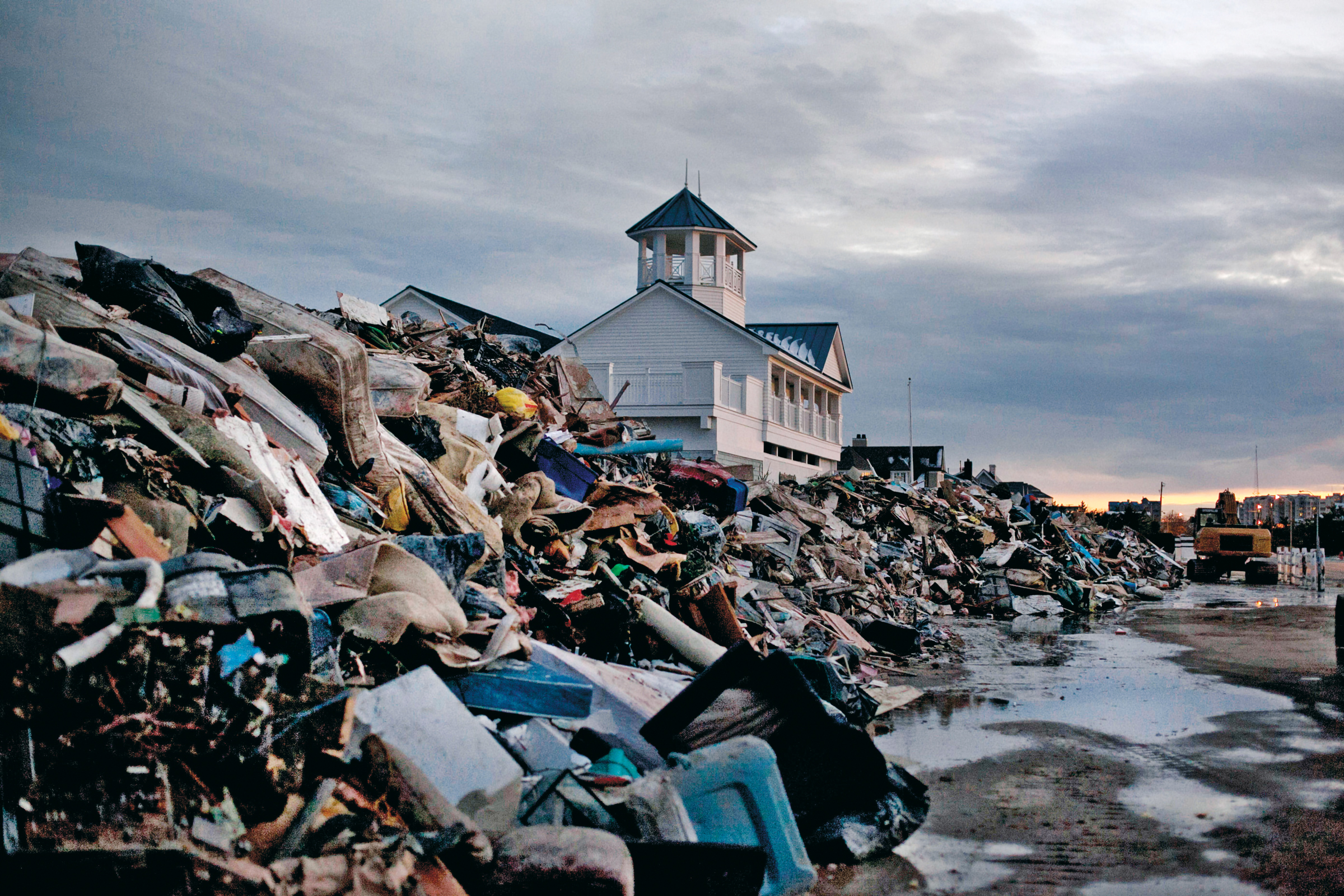
After Hurricane Sandy hit the New Jersey shore in 2012, insurance companies had to reassess the risk associated with insuring properties in the area. Here are some news stories and summaries that highlight how insurance companies have responded to the hurricane:
1. "After Hurricane Sandy, Coastal Property Insurance Rates Rise" (NPR, November 2013) - This article discusses how insurance rates for coastal properties in New Jersey have increased since Hurricane Sandy. Many insurance companies have either stopped offering policies in the area or have significantly increased their rates due to the higher risk of storm damage.
2. "Insurance Rates Rise on Sandy-Damaged Properties" (The New York Times, March 2013) - This highlights how insurance rates…
669 Views, 0 Comments

 According to Realtor, it is not the real estate agent’s responsibility to know if a certain home needs flood insurance, but it is their job to disclose all adverse material features, conditions, and aspects of the property. If an agent does know that it needs flood insurance, has had it in the past, or that the area has recently flooded or is subject to flooding, they must disclose this information.
 First off, did you know that flood insurance not only protects your home or business’ structure, but also some of the contents, or personal property, inside of the home? When purchasing flood insurance for a home or business, you can choose the amount you want covered, just like car insurance. For the structures, flood insurance covers up to $250,000 for residences, and up to $500,000 for businesses. If you want extra coverage for your home, business, or its contents, you can purchase an additional insurance policy through another company.
 The National Flood Insurance Program has been around for quite some time. Recently, however, with storms coming in stronger each year, there have been an increasing number of homeowners putting in claims from these disasters. Since not all of the homeowners that put in claims had flood insurance, this put a burden on taxpayers’ money to create federal assistance programs to help fix the damaged homes.
 If you have fallen victim to Hurricane Sandy and have a mortgage loan that is backed by Fannie Mae, Freddie Mac, or the Department of Housing and Urban Development (HUD) there may be help for you.These three programs have put together some ways of helping you with your mortgage while you repair or replace your home, due to the damage from Hurricane Sandy.
 According to the Internal Revenue Service, "a casualty is the damage, destruction, or loss of property resulting from an identifiable event that is sudden, unexpected, or unusual." Included among these events are earthquakes, floods, mine cave-ins, sonic booms, storms, and vandalism.
 Homeowners insurance policies come in all types of packages and have different coverages. Since there are different packages and policy types, we are going to show you what the standard homeowners insurance covers. (This is not a full list of coverage; check your own policy to see what is covered.)