
The St. George / New Brighton Historic District Staten Island
Posted by Anthony Licciardello on
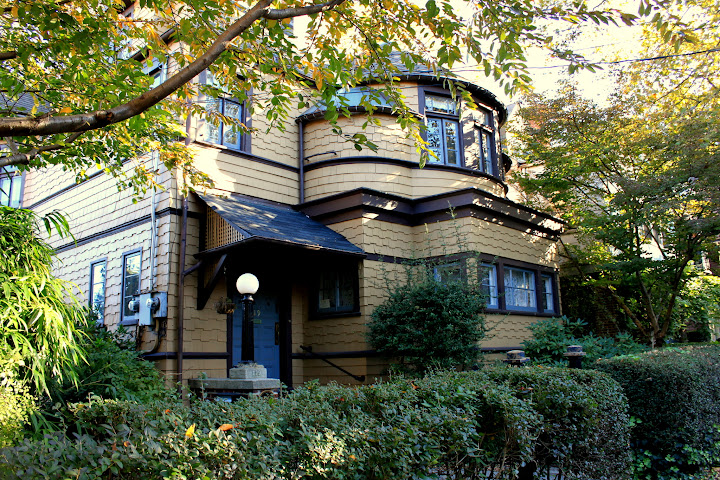 Between the years of 1835 and 1987, dozens of buildings were constructed at the northern tip of Staten Island. Over the years, architectural styles changed and the buildings began to stand out due to their individuality. Having been well-kept over the years, a hearing was held by the Landmarks Preservation Commission to designate the buildings, as well as their boundaries, as a Historic District. On July 19, 1994, the historic district was established as the St. George/New Brighton Historic District.
Several of the buildings in the district had been demolished over the years, leaving some scattered vacant lots. However, seventy-six of the St. George/New Brighton Historic District's original buildings are still intact. The designated buildings occupy…
5336 Views, 0 Comments
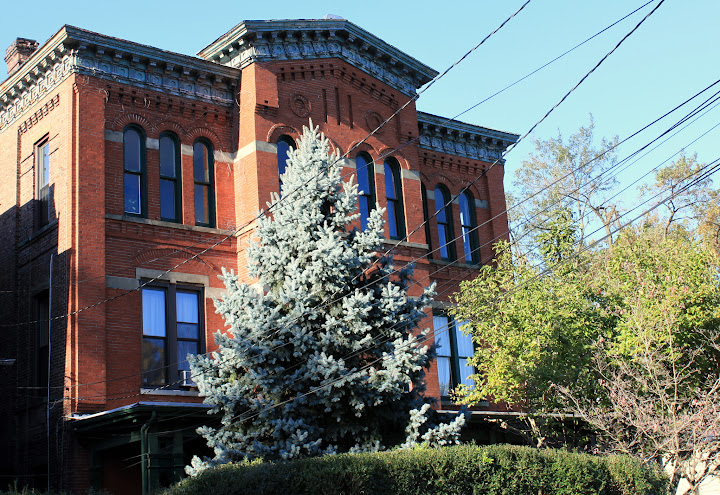 From 1880 until the turn of the century, the Shingle Style had become increasingly popular. These houses were influenced by the English Colonial, which were common from the early seventeenth century up until the middle of the nineteenth century. From 1886 until 1907, one dozen Shingle Style houses were constructed within the St. George/New Brighton Historic District. The first of these houses, built in the first couple of years for the wealthy banker, Anson Phelps Stokes, were located at 48, 52, and 56 St. Marks Place. Three more houses were built for the same man in 1890 at 7-8, 9-10, and 11 Phelps Place. These houses were designed by architect Douglas Smyth.
 reign, Napoleon gained the support of his people through means such as his Napoleonic Code, which stated that men could get jobs based on talent, rather than genetics or social class.