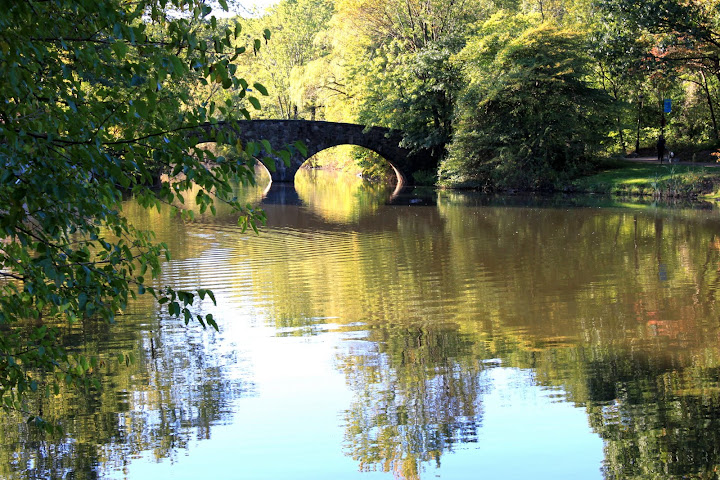
Photo© Conferance House Park, Tottenville Staten Island
Barrett Triangle, St. George, Staten Island
Posted by Anthony Licciardello on

Barrett Triangle is a small triangular island bordered by Richmond Terrace, Bay Street, and Borough Place in the St. George neighborhood. It is home to the Major Clarence T. Barrett Memorial, along with some benches and a drinking fountain, which is no longer usable due to the relocation of the memorial.
The Barrett family was one of the most prominent families on Staten Island. Major Barrett studied landscape architecture until the Civil War began when he enlisted for voluntary military duty. He worked his way up the ranks and became Major after the Union siege of Mobile, Alabama. He was also involved in the battle at Richmond, Virginia, which marked the end of the War. After the War, he returned to Staten Island to continue his work in landscape…
2858 Views, 0 Comments
 broke out. These wars began on August 23, 1572, a day which later came to be known as the St. Bartholomew's Day massacre. On this day, Roman Catholic leaders had 3,000 men, women and children slaughtered in just three days for the sole fact that they were Protestants. The wars lasted until the end of the century, at which point Henry IV, a Huguenot himself, issued the Edict of Nantes, a law which granted Huguenots civil rights. On May 14, 1610, Henry IV was assassinated and the Protestants again feared for their lives.

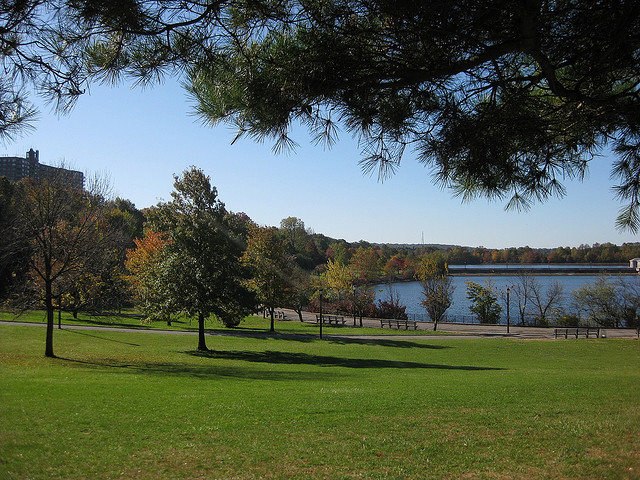
 e Grasmere section, is the only freshwater pond on Staten Island that has been deemed suitable for swimming. Prior to this, however, Brady's Pond was popular for another reason-it was believed to be haunted. In fact, it was not a pond at all and went by a completely different name at the time: Haunted Swamp.
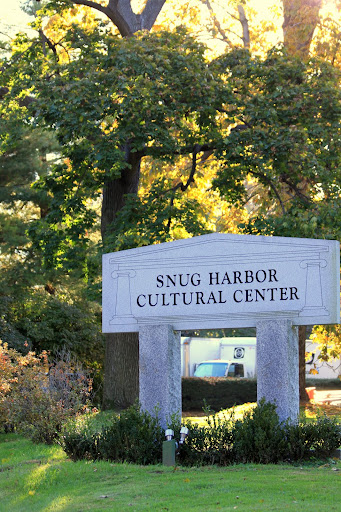 In 1756, the Marine Society of New York was formed. Captain Thomas Randall, a philanthropic seafarer became a member of the society, which served as a charitable organization for seamen. His prominence in the society and as a sea captain led to his son, Robert Richard Randall, getting involved in the Marine Society. In fact, he was so strongly involved that when he died in 1801, he requested in his will that after much of his money was divided and given to inheritors, the rest would be used to build a facility on his estate to be used "for the purpose of maintaining and supporting aged, decrepit and worn-out sailors."
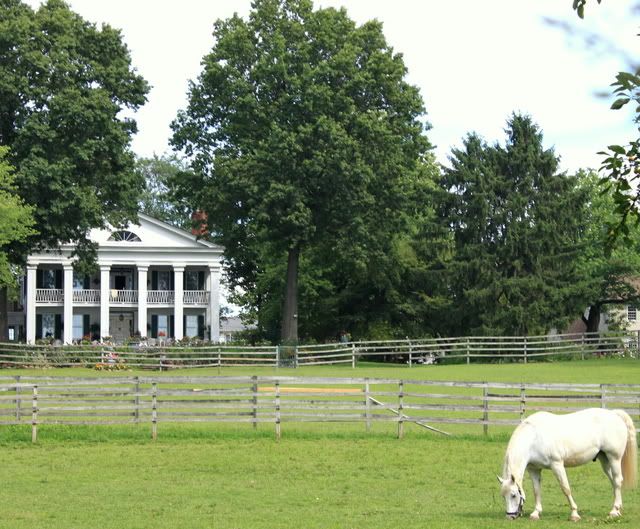
 During the late seventeenth century and early eighteenth century, a single-room, half-timbered Dutch Colonial home was built at 2 Hylan Boulevard. From its construction up until 1775, many additions were made to the house. Between the years of 1725 and 1750, a second room was added to the house. During the years between 1750 and 1775, another addition was made to the house, giving it an L-shape.