
English Colonial Style Home Architecture
Posted by Anthony Licciardello on
The majority of today's society has heard of the Salem Witch Trials of late-seventeenth-century Massachusetts. Those who are familiar with the origins of the trials know that the mass hysteria erupted due to the beliefs of Puritans. The Puritans were English Protestants, similar to the French Huguenots we speak of so often on here, who had a very strict belief system. They believed that any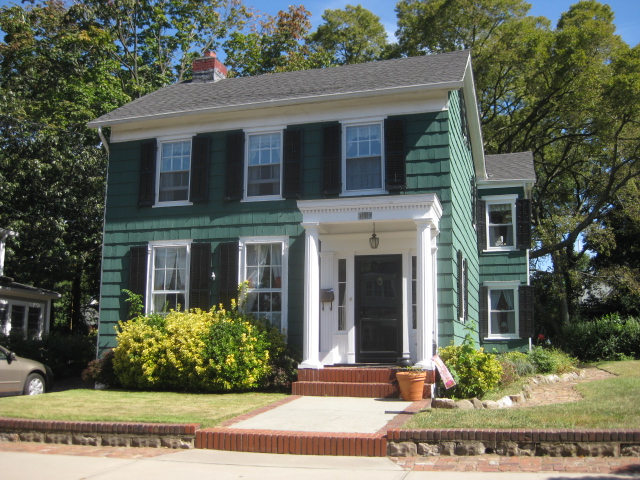 hardships they had were due to the work of the devil and that anybody who strayed even the slightest from their beliefs was in cahoots with the devil, and persecuted as a witch.
These beliefs began with the Puritans in England and accompanied them in the years between 1620 and 1640, when the "Great Migration" took place to New England, in America. While their…
4943 Views, 0 Comments
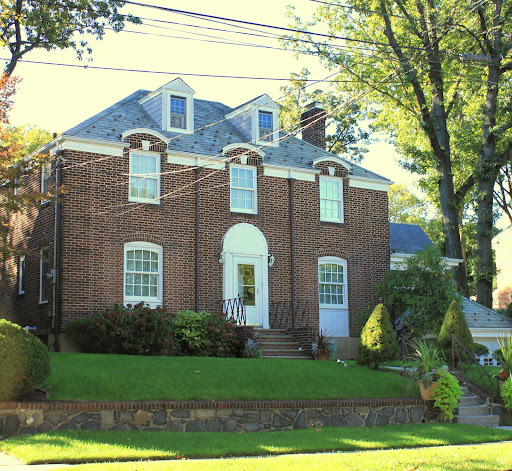 The American Revolutionary War took place between the thirteen well-known North American colonies and the British Empire between the years of 1775 and 1783. On July 4, 1776, the Declaration of Independence was approved by Congress and the United States of America was established. The time period from the end of the 1780s until the turn of that century was known as the Federalist Era, due to the prominence of Federalists, who supported George Washington, as opposed to Thomas Jefferson.
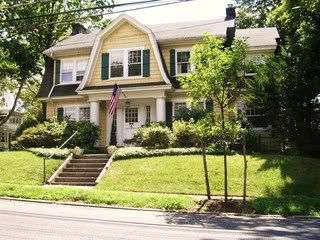 As you may know, Henry Hudson explored the eastern shore of the United States in 1609. This exploration led to a settlement being established in 1613, which in turn led to the creation of New Netherland, which included parts of Connecticut, Delaware, New Jersey, New York, Pennsylvania, and Rhode Island. The primary motive for settling in this area was to trade with the Indians, who inhabited the land. Eventually, more Dutch emigrants settled in the area, along with Huguenots, who were fleeing Europe, and began to build homes for themselves out of stone and wood. The signature style that was used in Delaware, New Jersey, New York and…
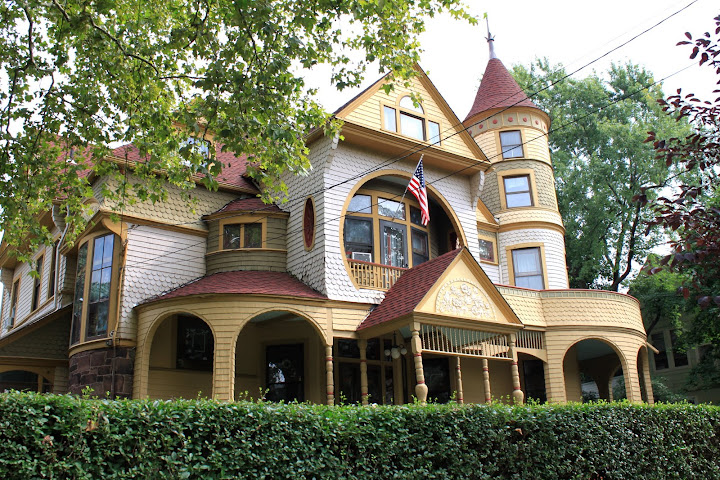 Queen Anne ruled Great Britain from March 8, 1702 until May 1, 1707. During her reign, art and science progressed. The architect Sir John Vanbrugh, for example, designed many new buildings during her time. By 1870's, the name Queen Anne became a popular name for houses of a certain type of architecture in Britain. By 1880, the name Queen Anne was used to classify houses being built in the United States. None of these three architectural styles, however, have anything to do with one another.
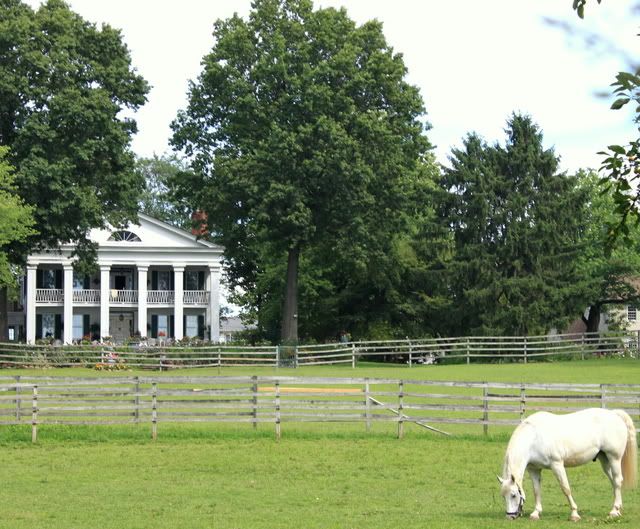
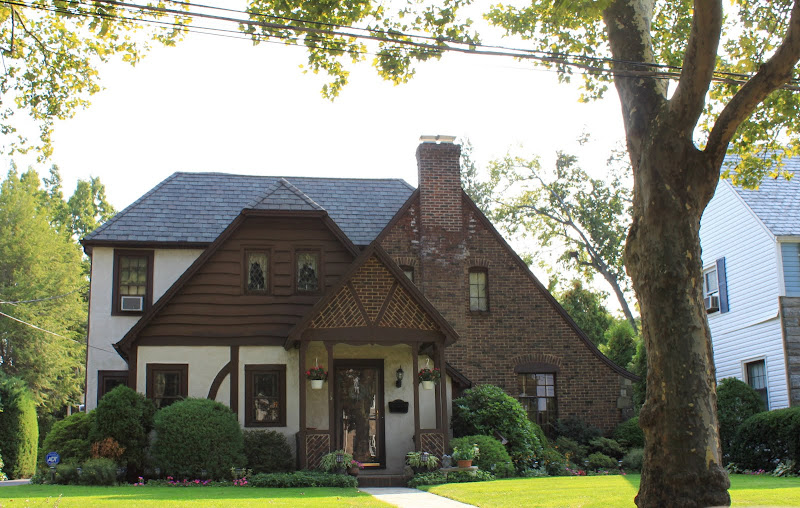 The reign of the Tudor dynasty in England began in 1485 and ended in 1603. During this time, the architectural Tudor-style was introduced. This style mimicked some of the aspects of Medieval cottages. The characteristics of Tudor-style houses included black-and-white half-timbering; porches with pillars to support a jettied gallery above; thatched roofs with high chimneys; cross gables; tall, narrow doors; and tall, narrow and mullioned windows. The Tudor-style home also made use of the Tudor arch, which normally has more width than it does height, with a pointed apex that seems to have been crushed. (Pictured left Tudor Style Home in Randall Manor, Staten Island)
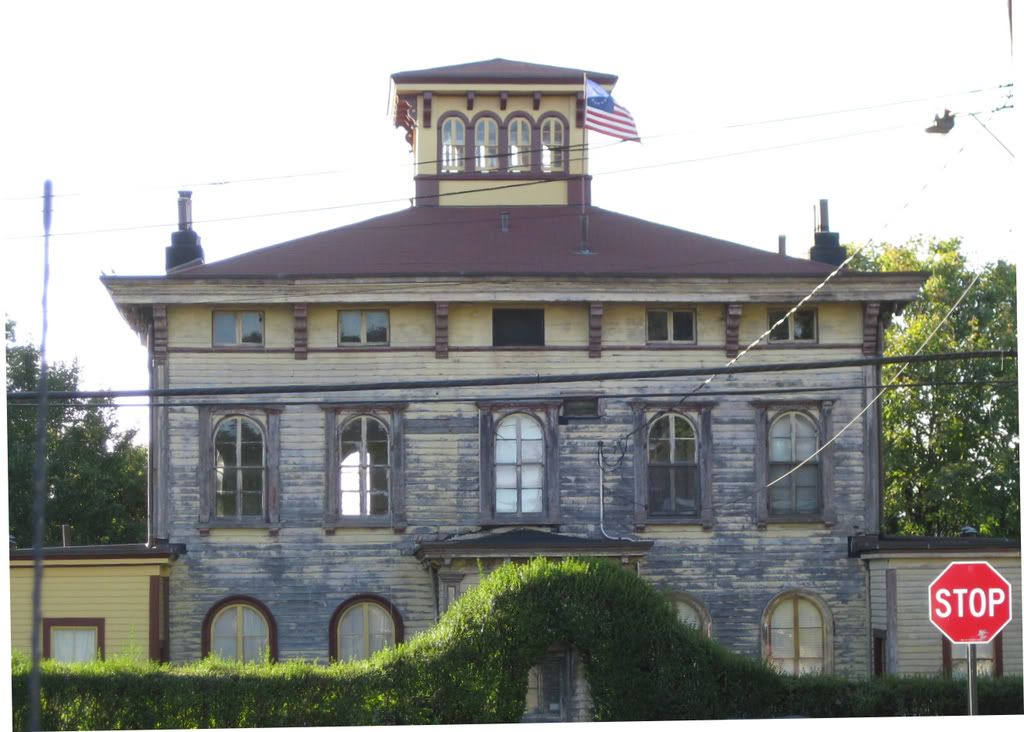
 reign, Napoleon gained the support of his people through means such as his Napoleonic Code, which stated that men could get jobs based on talent, rather than genetics or social class.
 In the late 1950's with the advent of the hi-ranch style home saw its mark being made on Staten Island. It was a time that tract building took over the new construction scene here. It was also a time that saw the first 6 over 6 hi-ranch homes. However, they were never built mass and while many hi-ranch homes exist on Staten Island finding these types of two family homes. (Pictured left)